

A UK Ancestry visa is one of the more flexible long-term routes for eligible Commonwealth citizens with a UK-born grandparent. It allows the holder to live in the UK for 5 years, work (including self-employment), study, and bring eligible dependents. Home Office guidance suggests a decision is usually made within 3 weeks for applications made…

UK Student visa applications can be refused for reasons that feel frustratingly minor, especially when the applicant genuinely has the money available. The financial requirement itself is strict, but what catches many students out is the evidence: the dates, the format, the account details, and whether the balance meets the rules for every single day…

A UK Ancestry visa is one of the more flexible routes to living and working in the UK, but the “easy” part can end when the visa is close to expiry. This is the point where many applicants realise they need to make a strategic choice: apply for settlement (Indefinite Leave to Remain, or ILR),…

Bringing family members to the UK while studying is one of the most emotionally loaded parts of any Student route plan. It is also one of the areas where otherwise straightforward applications get refused — not because the relationship is not genuine, but because the rules are tighter than many people expect and the evidence…

UK immigration decisions rarely run on a neat, predictable timetable. Even when an applicant does everything “right”, delays can still happen because of biometrics backlogs, verification checks, digital system issues, or shifting Home Office priorities. Garth Coates Solicitors often sees that the biggest practical risk is not the delay itself, but the knock-on effect: missed…

A Home Office refusal can feel like a verdict on someone’s honesty. The language often lands hard: “not credible”, “inconsistencies”, “not satisfied”, “little weight”. But credibility findings are not always the result of dishonesty. In many cases, they are the product of casework mistakes, missing context, or evidence that was not properly understood. Garth Coates…
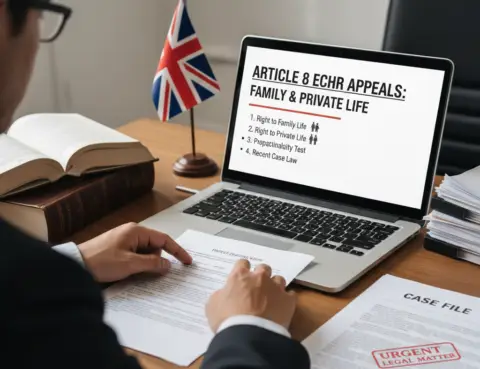
Article 8 of the European Convention on Human Rights protects the right to respect for private life and family life. In UK immigration cases, it is often the legal “backstop” people rely on when a refusal would separate a family, disrupt a child’s life, or break a person’s long-established ties to the UK. In practice,…

The UK’s move towards digital-only immigration status (eVisas) is not just a change for migrants. It is an operational change for employers. HR teams that still treat right to work as a “passport photocopy exercise” risk getting caught out by missed steps, expired permissions, or recruitment delays that could have been avoided with a tighter…

For most UK spouse and partner visa applications, the relationship requirement is where applicants feel the most exposed. It is also where many otherwise well-prepared cases come unstuck — not because the relationship is not genuine, but because the evidence does not prove it in a way that matches how caseworkers assess credibility. Garth Coates…

An EU Settlement Scheme (EUSS) refusal can feel final, especially when it arrives as a short decision notice with unfamiliar references to “Appendix EU”, “eligibility” or “suitability”. In reality, many refusals can be challenged successfully — but the difference between a strong challenge and an unsuccessful one is usually found in the detail: why the…
