The Standard Visitor route covers short trips to the UK: a holiday, time with family or friends, business meetings, a conference, a short course or private medical treatment. Depending on your nationality, you either apply for a visit visa before you travel or obtain an electronic travel authorisation (ETA). Either way, the same Visitor Rules decide what you may do while you are here.
UK Standard Visitor visa at a glance
- Who it is for
- Visitors coming to the UK for tourism, to see family or friends, for certain business activities, a short course of study, or private medical treatment.
- How long you can stay
- You can usually stay up to 6 months on each visit. Some academics can get a visa for up to 12 months.
- Where you can apply from
- If you need a visa, apply online from outside the UK, no earlier than 3 months before you travel. Some nationalities need an ETA or no visa.
- Money you need
- You must show you can pay for your trip and your return or onward journey without working or claiming benefits. Someone else can pay for you.
- Work and study
- You cannot work in the UK, apart from some permitted business activities and paid engagements. You can study a course of up to 6 months.
- Family members
- Each family member must meet the visitor rules themselves. Partners and children of academics staying longer can apply to stay up to 12 months.
From the official GOV.UK guidance, checked 9 November 2026.
Overview
A visitor can usually stay for up to 6 months on each visit. A few can stay longer: academics coming for research or an exchange (up to 12 months), people having private medical treatment (up to 11 months, and longer by extension), and doctors who have passed the PLAB test and take an unpaid clinical attachment (up to 18 months in total).
A visit is not a way of living in the UK. You must not:
- work for a UK organisation, paid or unpaid, or work here as self-employed, unless the Visitor Rules expressly allow it;
- claim public funds (benefits);
- marry, form a civil partnership or give notice of either, which needs a Marriage Visitor visa;
- study for more than 6 months;
- live in the UK through frequent or back-to-back visits, or make the UK your main home.
Three recent changes matter. Almost every nationality that does not need a visa now needs an ETA, including Europeans, Americans, Canadians and Australians. Successful visa applicants receive an eVisa, a digital record of their status, rather than a sticker in the passport. And from 8 October 2026 the permitted activities were widened to include, for example, workshops, debates, skills competitions and some Erasmus+ placements.
Who can apply
The route is for people who live abroad and come to the UK for a limited time and a clear purpose, for example:
- tourists, and people visiting family or friends, such as parents visiting a daughter who lives here;
- business visitors employed or self-employed abroad, coming for meetings, conferences, contract negotiations, site visits or internal training within their group;
- students on a course of up to 6 months at an accredited institution;
- academics, scientists and researchers;
- people coming for private medical treatment;
- artists, entertainers and sportspeople coming for specific events, and professionals invited for a permitted paid engagement, which must be completed within 30 days of arrival;
- volunteers working for up to 30 days with a registered charity.
It is not the right route if you want a job with a UK employer (see Skilled Worker visa), to study English for 6 to 11 months (see Short-term study visa), to study for longer (see Student visa) or to live with a British or settled partner (see Spouse visa).
Requirements
- Genuine visitor: you must show that you will leave at the end of your visit. The Home Office looks at your ties at home, such as your job, family and property, and at your past travel.
- No disguised residence: you must not be living in the UK through frequent or successive visits.
- Permitted purpose: everything you plan to do must be allowed by the Visitor Rules.
- Money: you must be able to pay for your stay without working or claiming benefits. A relative or friend can pay, but they must show they can afford it.
- Travel home: you must be able to pay for your return or onward travel.
- Passport: it must be valid for the whole of your stay.
Some purposes have extra rules. A student needs a place at an accredited institution, a patient needs a doctor's letter and evidence of how the treatment will be paid for, and an academic must be highly qualified, for example with a PhD.
Visa or ETA
Nationals of countries on the Home Office visa national list, such as India, China, Nigeria, Pakistan, Turkey, Ghana and Colombia, must apply for a visit visa before they travel. Most other nationals, including EU, US, Canadian and Australian citizens, need an ETA instead. An ETA lasts for 2 years or until your passport expires, whichever is sooner, and covers any number of trips. Every traveller needs one, including babies.
An ETA is not a visa. You must still meet the Visitor Rules, and a Border Force officer can question you on arrival and refuse entry. If you have been refused before or have a criminal record, it is often wiser to apply for a visa.
Long-term visit visas
If you visit often, you can apply for a visit visa valid for 2, 5 or 10 years. Each stay is still limited to 6 months. The Home Office can issue a shorter visa than you asked for, without a refund, and can cancel it if your travel shows you are in effect living here. A long-term visa issued to a child ends 6 months after their 18th birthday.
Children
A child under 18 needs suitable travel and care arrangements and a parent's consent. If the child travels with an adult who is not a parent, that adult must be named on the application.
How to apply
- Check whether you need a visa or an ETA, and choose between a standard visa and a long-term visa.
- Gather your evidence: passport, recent bank statements, a letter from your employer or proof of your business, trip and accommodation details, and any invitation letter. Documents not in English or Welsh need certified translations.
- Apply online no earlier than 3 months before you travel, and pay the fee.
- Attend a visa application centre for your fingerprints and photo. Your passport is returned the same day.
- If you are granted, create a UKVI account and link it to your passport to see your eVisa.
- Carry copies of your key documents in your hand luggage in case Border Force asks about your visit.
Costs
The main cost is the Home Office application fee, which depends on the type and length of the visa, with higher fees for long-term visas and for longer medical or academic stays. Non-visa nationals pay a smaller fee for an ETA. The current figures are shown beside this page, and our visa cost calculator adds them up for a family.
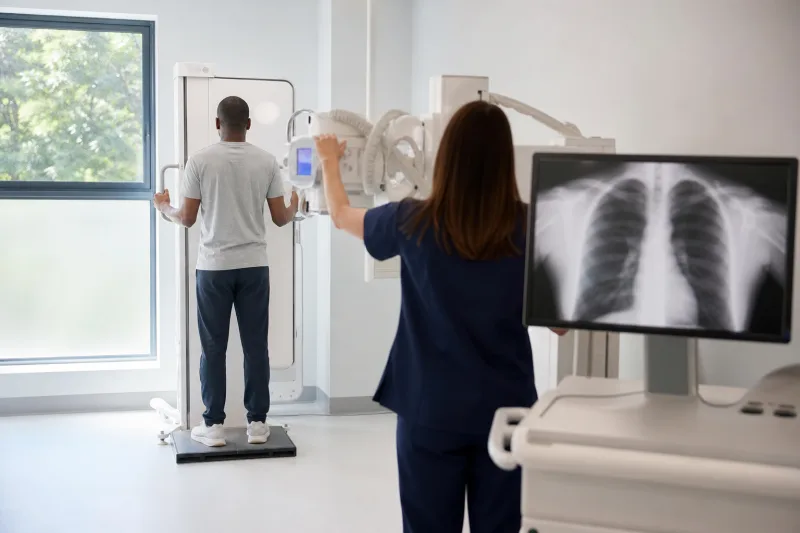
Visitors do not pay the Immigration Health Surcharge, which also means NHS hospital treatment is normally charged, so take out travel and health insurance. Other costs can include priority processing, a tuberculosis test if you will stay more than 6 months and come from a listed country, and translations.
Processing times
Visa applications made outside the UK are usually decided within 3 weeks of your appointment. In many countries you can pay for priority service, usually a decision within 5 working days, or super priority, usually by the end of the next working day. ETA decisions usually arrive within a day, but allow up to 3 working days. Extensions applied for inside the UK usually take up to 8 weeks.
Partners and children
There are no dependants on this route. Each family member must qualify as a visitor in their own right and needs their own visa or ETA. If you travel as a family, apply at the same time and make sure the applications tell the same story.
If your aim is to live in the UK with a British or settled partner, a visit visa is the wrong tool. See our Spouse visa and Unmarried partner visa pages.
Extending your stay and settlement
If you were given less than 6 months, you can extend up to 6 months in total. Longer extensions are possible only in set cases: a further 6 months at a time for private medical treatment that you are paying for, up to 12 months in total for academics, 6 months to retake the PLAB test, and up to 18 months in total for a clinical attachment after passing PLAB. You must apply before your permission ends and stay in the UK, Ireland, the Channel Islands or the Isle of Man until you have a decision.
You cannot switch from visitor status into most other routes, such as Student, Skilled Worker or a partner visa; you would need to go home and apply from there. Time as a visitor never counts towards indefinite leave to remain.
How we can help
Visit visa refusals often come down to evidence: the Home Office was not persuaded that the applicant will go home, or could not follow the money. We help you put together evidence that answers those questions clearly, and we write a covering letter that explains your plans and your travel history.
We advise business visitors on whether their planned activities fit the rules, and we prepare applications for medical, academic and long-term visits. If you have been refused, we review the refusal notice and help you make a stronger new application. Book a consultation to discuss your trip.
Frequently asked questions
I am an American citizen. Do I need a visa to visit?
No, but you need an ETA before you travel. The exception is marriage: to marry or give notice of marriage in the UK, you need a Marriage Visitor visa before you travel, even though you could otherwise visit with an ETA.
Can I work remotely for my employer abroad while I visit?
Yes, as long as that is not the main purpose of your visit. Answering emails or joining calls during a family holiday is fine. Coming to the UK mainly to do your usual job from a rented flat is not.
How often can I visit?
There is no fixed number of visits, but each stay is limited to 6 months and the Home Office looks at the pattern. Someone who spends 5 months here, goes home for a few weeks and then returns for another 5 months will be asked whether they really live abroad.
My visit visa was refused. Can I appeal?
No. There is no right of appeal and no administrative review for a visit visa refusal. The usual answer is a new application that deals with each reason for refusal. A plainly unlawful decision can sometimes be challenged by judicial review; see our Appeals and judicial review page.
Can my parents stay with us for most of the year?
Not as visitors. A long-term visit visa still allows only 6 months per visit, and long stays year after year can lead to refusal or cancellation. A parent who needs your personal care may qualify under the adult dependent relative rules; see our Children, elderly relatives and family reunions page.
This page is general information about UK immigration rules, not legal advice on your circumstances. Home Office fees shown on this page are taken from GOV.UK; the date they were last checked is shown beside them. For advice on your case, request a consultation.