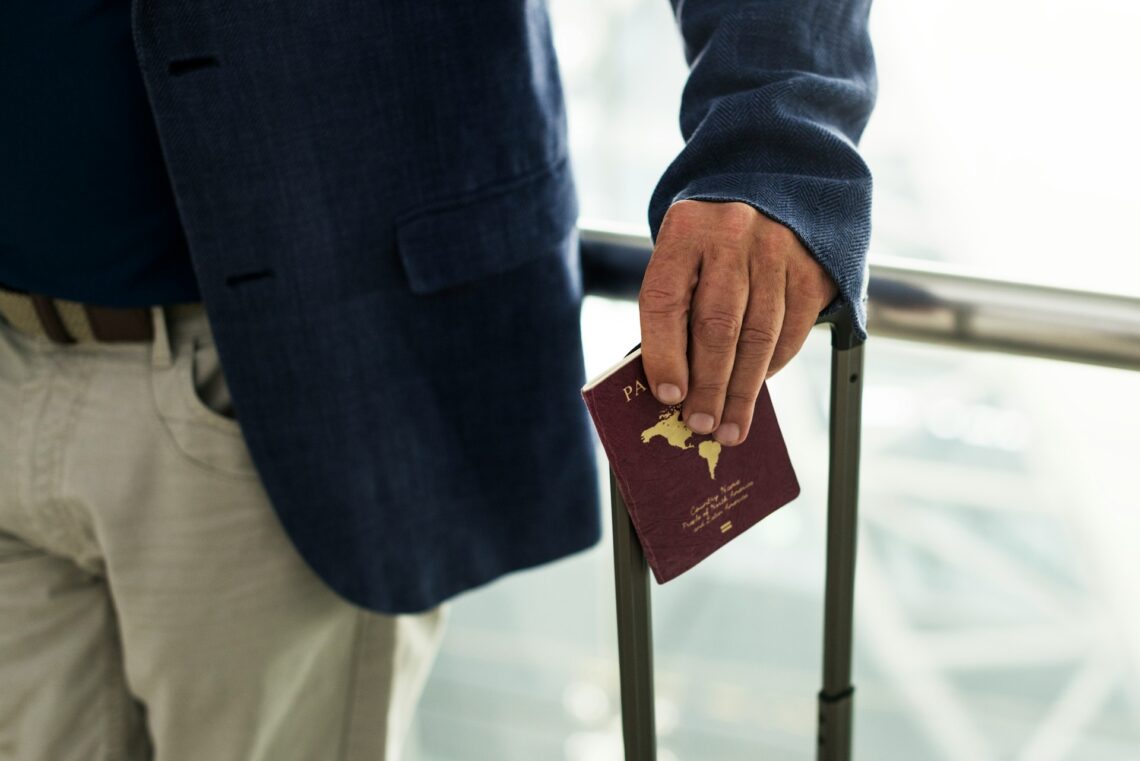
A refused Standard Visitor visa does not necessarily prevent you from applying again, but the next step depends on why the application failed. An ordinary Standard Visitor refusal generally carries no right of appeal and the Visitor route is not included among the routes eligible for administrative review. In most cases, the practical option is a fresh application that addresses the concerns in the refusal letter.
There is no prescribed cooling-off period before making another Standard Visitor application. The current fee for a visit of up to six months is £135, and the Home Office does not refund the application fee when an application is refused for failing to meet the route requirements.
Why the Home Office refuses Standard Visitor visas
The central requirement is that the decision-maker is satisfied you are a genuine visitor. This includes being satisfied that you will leave the UK at the end of the visit, will not make the UK your main home through frequent or successive visits, are coming for a permitted purpose and have sufficient funds for the trip.
A careful reading of the refusal letter is therefore the first step. Our guide to what to do after a UK visa refusal explains how to work through the reasons methodically.
Weak evidence of circumstances outside the UK
Caseworkers consider an applicant’s personal and economic circumstances, including their circumstances in their country of residence. Employment, a business, studies, family responsibilities and other continuing commitments can all help explain why the proposed visit is temporary.
There is no single document that proves someone will leave the UK, however. The evidence needs to make sense when considered alongside the applicant’s age, finances, travel history and stated plans.
Weak or unclear financial evidence
Applicants must show that they can meet the reasonable costs of the visit without working or accessing public funds. Where somebody else will fund the trip, third-party support can be considered if the relationship and ability to provide that support are established.
Bank activity should also be consistent with the income and circumstances described in the application. Large or unexplained deposits, conflicting income figures or information that does not match the form can create credibility concerns.
An unclear or unsupported purpose for the visit
The proposed activities must fall within what the Visitor route permits. The application should therefore explain clearly why you are coming, how long you intend to stay and what you plan to do.
Hotel and flight bookings are not normally useful evidence for an ordinary visit application and are specifically listed by the Home Office among documents applicants should generally not rely on. Evidence should instead address the circumstances and purpose of the particular visit.
If your trip involves meetings or other commercial activities, our guide to business visitor rules explains which activities are permitted.
Immigration history and previous breaches
Previous overstaying, breaches of immigration conditions, removals and previous refusals can be relevant. A previous refusal does not automatically mean another application will fail, but it should be disclosed accurately where the form asks for it.
The Home Office can also consider whether frequent or successive visits indicate that somebody is effectively living in the UK rather than genuinely visiting.
Discrepancies or missing evidence
Supporting documents should correspond with the information given in the application. A difference between stated income and bank records, conflicting employment details or unexplained gaps can damage credibility even where the trip itself would otherwise be permitted.
Providing more documents is not automatically better. The aim is a coherent set of relevant evidence.
False information, documents or non-disclosure
This requires particular care. Under Part Suitability, an application must be refused where the Home Office is satisfied that the applicant used deception by making false representations, providing false information or documents, or failing to disclose relevant facts.
A finding of deception in an entry-clearance application, including a visit visa application, normally results in a 10-year mandatory refusal period for future applications. An innocent error and a finding of deliberate deception are not the same thing, so specialist advice can be important where a refusal alleges dishonesty.
Refusal reasons at a glance
| Refusal ground | What it can mean in practice | What to address in a fresh application |
|---|---|---|
| Concerns about genuine visitor status | Caseworker is not satisfied the visit is temporary | Evidence of circumstances, commitments and a credible travel plan |
| Financial concerns | Funds, income or expenditure are unclear or inconsistent | Current financial evidence and explanations for unusual transactions |
| Unclear purpose | Proposed activities are not sufficiently explained or supported | Clear explanation and relevant evidence of the proposed visit |
| Immigration history | Previous breaches, refusals or frequent visits raise concerns | Full disclosure and evidence addressing the relevant history |
| Inconsistent evidence | Form and supporting documents do not align | Correct and consistent evidence |
| Deception | Home Office considers false information or documents to have been used deliberately | Specialist legal advice before reapplying |
Can you appeal a Standard Visitor visa refusal?
Usually not. Immigration appeal rights are generally attached to specified decisions such as refusal of a human rights or protection claim. An ordinary visitor application that does not amount to a human rights claim does not normally attract a statutory right of appeal.
The Standard Visitor route is also absent from the current list of routes eligible for administrative review. Your refusal letter should state whether any review or appeal right exists.
Our guide to appeal, administrative review or fresh application explains the differences, while our article on the right of appeal after a visa refusal covers when an appeal may arise.
Where an appeal is available, deadlines matter. See our summary of visa appeal deadlines.
Administrative review, where available on other eligible immigration routes, focuses on whether a decision involved a caseworking error. It is not a general opportunity to rebuild an unsuccessful application with new evidence, although the Rules allow new evidence in specified circumstances. Our comparison of administrative review versus a fresh application explains that distinction.
What to do after a refusal: your realistic options
Reapply with a stronger case
For most ordinary Standard Visitor refusals, a fresh application is the practical route. Read the refusal reasons carefully and address each material concern before applying again.
Submitting essentially the same application without resolving those issues gives the Home Office little reason to reach a different conclusion.
Judicial review, in limited cases
Judicial review can potentially be considered where there is an arguable public-law error in the decision-making process. It is not a general appeal on the merits of a visit visa application and is normally appropriate only in limited circumstances.
It is also subject to procedural requirements and strict time limits. Our overview of judicial review for visa refusals explains when it may be relevant.
How to build a stronger fresh application
Start with the paragraphs and factual findings in the refusal letter. Identify exactly what the decision-maker was not satisfied about and make sure the new evidence addresses those concerns.
A clear covering letter can help explain how the supporting documents fit together, particularly where there is a previous refusal to address. Our guide to writing an immigration cover letter explains how to structure one.
The Home Office can request an interview or further information where necessary. If a later application involves a family route, our guide to family visa interviews explains what that process can involve.
Where the refusal raises serious credibility, deception or immigration-history concerns, consider choosing the right immigration lawyer before submitting another application.
When a visit visa was the wrong route in the first place
Sometimes the problem is not the quality of the evidence but the immigration route itself.
A Standard Visitor can come for tourism, family visits, permitted business activities, study for up to six months and certain other permitted purposes. Visitors cannot normally take employment with a UK company or work as a self-employed person in the UK, although the Rules contain specific exceptions and permitted activities.
If the real intention is to live with a partner in the UK, look instead at the unmarried partner visa or the spouse visa financial requirement, depending on the circumstances.
For children attending an independent school, the child student visa may be appropriate.
The Short-term Study visa has a much narrower purpose than its name suggests. It is for English-language courses lasting more than six months and no more than 11 months. Study of up to six months can generally take place under the Visitor route at an accredited institution.
Business immigration also requires care. The Start-up visa is closed to new applications; people seeking to establish an innovative UK business may instead need to consider the Innovator Founder route. The UK Expansion Worker visa is a separate sponsored route for eligible workers establishing a UK presence for an overseas business.
If you only need to attend meetings, conferences or other permitted activities, our guide to travelling to the UK for business explains what a visitor can do.
Visitors are also prevented from switching directly into many major immigration routes from inside the UK. Our guide to switching visas from a visitor route explains the restrictions.
Visa-exempt travellers may instead need an electronic travel authorisation before travelling, depending on their circumstances. Our guide to the UK ETA rules explains the current system.
Families hoping to bring an older dependent relative permanently should read our guide to bringing elderly parents or relatives to the UK, as that is very different from a temporary visit.
Underneath all of these decisions sits the genuine visitor requirement. You can read the official position in the GOV.UK Standard Visitor guidance.
Frequently asked questions
Can I reapply immediately after a UK visit visa refusal?
There is no prescribed waiting period after an ordinary Standard Visitor refusal. You can make a fresh application once you are ready, but it should properly address the reasons for the previous refusal.
Does a refusal affect my future applications?
It can be relevant and should be disclosed where required. An ordinary refusal is not a permanent bar. However, a finding that deception was used in an entry-clearance application normally triggers a 10-year mandatory refusal period.
How many times can I be refused before I should get help?
There is no fixed limit. Repeated refusals on the same issue suggest that the underlying concern has not been resolved and should be reviewed before another application is made.
Is the visa fee refunded if I am refused?
No. The Home Office does not normally refund an application fee where the application has been processed and refused because the route requirements were not met.
Can I get the refusal overturned quickly?
Most ordinary Standard Visitor refusals do not carry an appeal or administrative-review right, so there is no routine reconsideration process. A fresh application is often the practical next step unless there is a basis for another legal remedy.
If the real aim is to join someone with protection status in the UK, note that the refugee family reunion route has been closed to new applications since 4 September 2025 pending review. Other family routes may be available depending on the circumstances.
Speak to an immigration solicitor about your refusal
A visitor refusal needs to be approached through the reasons actually given in the decision. If you would like your letter reviewed and your options considered before making another application, speak to our London immigration solicitors.