In brief
- Press reports of 20 November 2026 say a London-born woman's British passport was revoked after the Home Office found her mother had no entitlement to one; the details are unconfirmed.
- This is a single reported case, not a new rule, a court ruling or a deprivation of citizenship decision.
- For people born on or after 1 January 1983, birth in the UK alone does not establish British citizenship; a parent's British or settled status at the time of birth can.
- Passport withdrawal is separate from deprivation of citizenship; guidance covers withdrawal where a passport was issued in error.
- The Commons Library identifies internal review and judicial review, not a statutory appeal, and any registration route needs its own eligibility assessment.
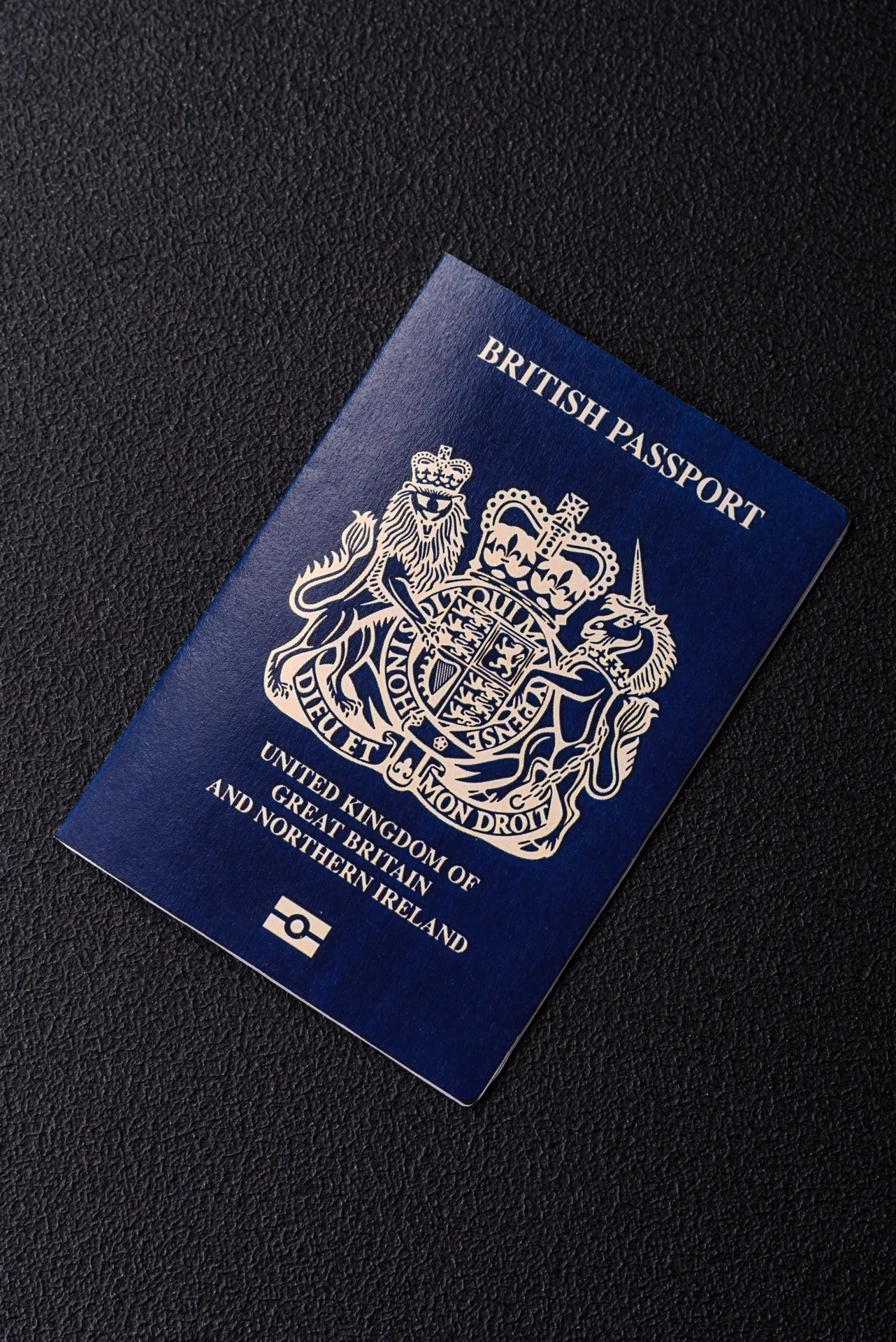
I have seen press reports, published two days ago on 20 November 2026, saying that a woman born in London has had her British passport revoked. According to those reports, the Home Office found that her mother had no entitlement to a British passport. This is a single reported case. It is not a change in the law, a new nationality rule or a court ruling, and it does not change visa eligibility. In my view, it does show why nationality evidence matters.
What has been reported, and what has not
The reports describe a passport being withdrawn after a finding about the mother's entitlement. Several details have not been confirmed:
- the date of the passport decision (20 November 2026 is the date of the reports, not of the decision);
- the woman's full circumstances;
- the parents' immigration status when she was born;
- whether any court has considered the case.
I have therefore written this guide about the general rules, not about this woman's position. Please do not read it as saying that her passport was wrongly or rightly withdrawn.
Birth in the UK does not always mean British citizenship
Many people assume that anyone born in the UK is British. That is not the rule for people born on or after 1 January 1983. For them, birth in the UK alone does not establish British citizenship.
Citizenship can instead depend on a parent. If a qualifying parent was a British citizen, or was settled in the UK, when the child was born, the child can be British. "Settled" means having no immigration time limit on stay in the UK, for example indefinite leave to remain.
The rules that apply depend on the date of birth. For some earlier births, they also depend on whether the parents were married. A parent who was not a British citizen does not, by itself, settle the question of the child's nationality. The parent's status at the time of the birth is what matters.
The reported finding concerns the mother's entitlement to a British passport. I have not seen confirmation of whether her immigration status at the time of the birth was considered.
Passport withdrawal is not deprivation of citizenship
These are two different processes.
- Deprivation of citizenship is a decision to take away a person's British citizenship.
- Passport withdrawal is a decision by HM Passport Office to cancel a passport. HM Passport Office guidance addresses cases where a passport was issued in error because the holder does not have a claim to British nationality.
In an error case the Home Office position is that the person was never entitled to the passport. It is not a decision to remove citizenship the person held. The reports about this woman do not describe a deprivation decision, and in my view it should not be treated as one.
Home Office guidance recognises that British passports can have been issued in error. A passport is evidence of nationality, but it does not create it. If the underlying nationality claim fails, the passport can be withdrawn.
What remedies exist after a passport is withdrawn
As I understand it, there is no statutory appeal against passport withdrawal. The House of Commons Library identifies the following routes:
- Internal review. You ask the Home Office to look again at its own decision. The written decision should say why the passport was withdrawn. In my experience of this type of challenge, any evidence that answers those reasons should be put forward.
- Judicial review. This is a court challenge to the lawfulness of a decision, not a rehearing of the facts. It looks at whether the decision-maker acted lawfully, fairly and rationally. Strict time limits can apply, so early advice matters. My page on appeals and judicial review explains more.
Could registration as a British citizen be an option?
For some people, registration is a possible alternative to challenging the decision. Home Office guidance on registration in special circumstances gives an example of a UK-born person affected by a passport issued in error. It says such a person could register under section 1(4) of the British Nationality Act 1981 through residence in the UK during the first ten years of life.
That is only an example in the guidance. It does not show that the woman in the reports, or anyone else, would qualify. Each person needs a separate eligibility assessment. See our page on British citizenship for the main routes.
Practical points if your own passport or nationality is questioned
- Establish the nationality basis first. Work out whether your claim rests on birth, a parent's status, registration or naturalisation.
- Gather parent documents. Your parents' passports, residence documents and settlement evidence at the time of your birth may be relevant, together with your birth certificate.
- Read the written decision carefully. It should show what the Home Office relied on. The best remedy depends on it.
- Do not rely on a passport alone. In my view, if you are unsure about a parent's status when you were born, you should take advice before you apply for or renew a passport.
There is no official confirmation yet of the details of the reported case. I will update this article if more is confirmed.
How Garth Coates Solicitors can help
We advise on British nationality, passport refusals and withdrawals, registration and challenges to Home Office decisions. If your citizenship or your passport entitlement is in question, you can request a consultation and we will explain the options that may be open to you.
This article is general information and was correct on 22 November 2026. It is not legal advice on your circumstances; immigration rules and fees change often. For advice on your case, request a consultation.